Oh, the dream of having horses around the house! Horse property ownership is different from simple home ownership. You may be dreaming about seeing horses every day in your backyard, or are already living that dream, either way there are key features to consider and maintain.
Come horse around with us in SLO County! Get your FREE Horsing Around in SLO County Hotsheet and enjoy the places to you can trail ride, stay with your horse, show your horse, and sip wine where there’s a horse connection.
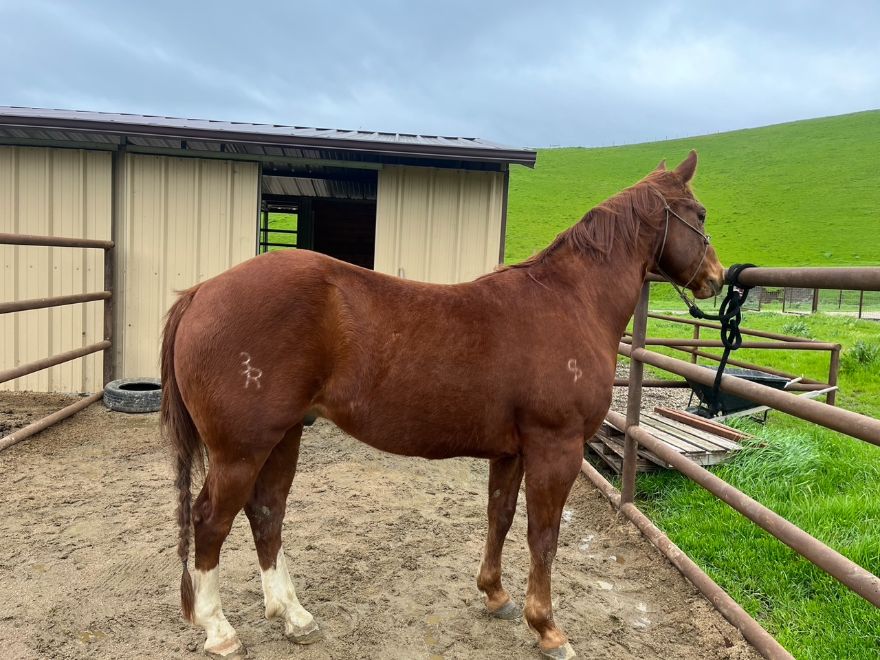
Brie Nicholson, a local realtor, walks us through six of the most important assets to a horse property:
- Reliable Water Source – Water is the most critical resource on any horse property. If the home is on a well, it needs to consistently produce clean, drinkable water in quantities that exceed your daily demand. Horses drink more than most people expect, especially in warmer months. The water storage tank just as essential as the well. Adequate water storage provides peace of mind for all the humans, horses and other critters during power outages, pump failures, or fire season.
- Adequate Flat Space – In our county, it is not uncommon to see horses living on steeper ground. They can manage slopes, but every pasture should include generous flat areas where they can rest comfortably. Hills become slick in the winter, and older horses in particular benefit from turnout that is easier on their joints and more stable underfoot.
- Safe and Secure Fencing – Fencing deserves careful thought. Safety should always come first. Choosing the cheapest option can be tempting, but it is rarely the wisest long term decision. Quality fencing protects your horses and helps you avoid preventable injuries and costly vet bills.
- Covered Feed Storage – Hay and feed need dependable protection from the elements. Tarps may work in the short term, but a permanent covered structure is a far better investment. Dry storage preserves feed quality and reduces waste. A few hardworking barn cats can also help keep rodent issues under control.
- Shelter from the Elements – Even if your horses seem to prefer standing in the rain instead of using their stalls, they still need the option of shelter. Mature trees can offer natural protection from wind, rain, and sun if there is adequate coverage. If not, a well built shelter is necessary to provide relief from the elements.
- Manure Management – Every property needs a clear manure management plan, whether you have one horse or ten. If you have sufficient acreage, spreading manure in designated areas may be feasible. Otherwise, arrange for regular removal. Manure should be stored away from barns and homes, and piles should not be allowed to grow excessively large, as they can pose a significant fire risk.
More Details on Horse Property Features
What are the Pros and Cons of Horse Fencing Options?
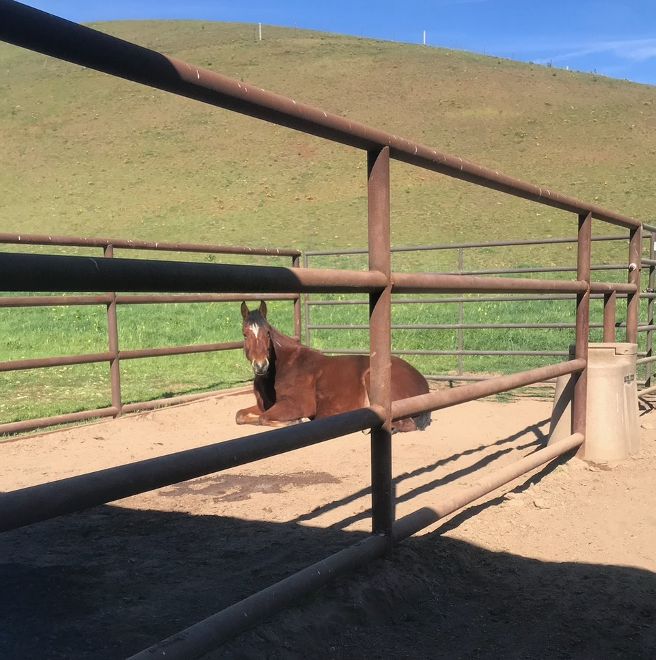
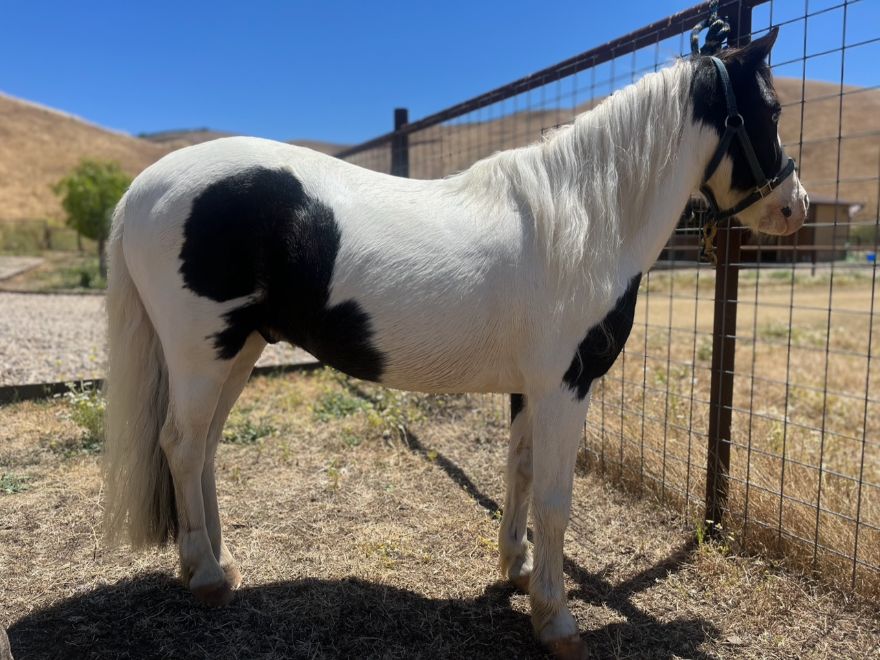
- Oil Field Pipe: Brie’s personal favorite. It is incredibly durable, very secure, and requires almost no maintenance once installed. It is not cheap to purchase or put in, but it will last for decades. In many cases, it adds real value to the property. Once it is up, you simply enjoy it.
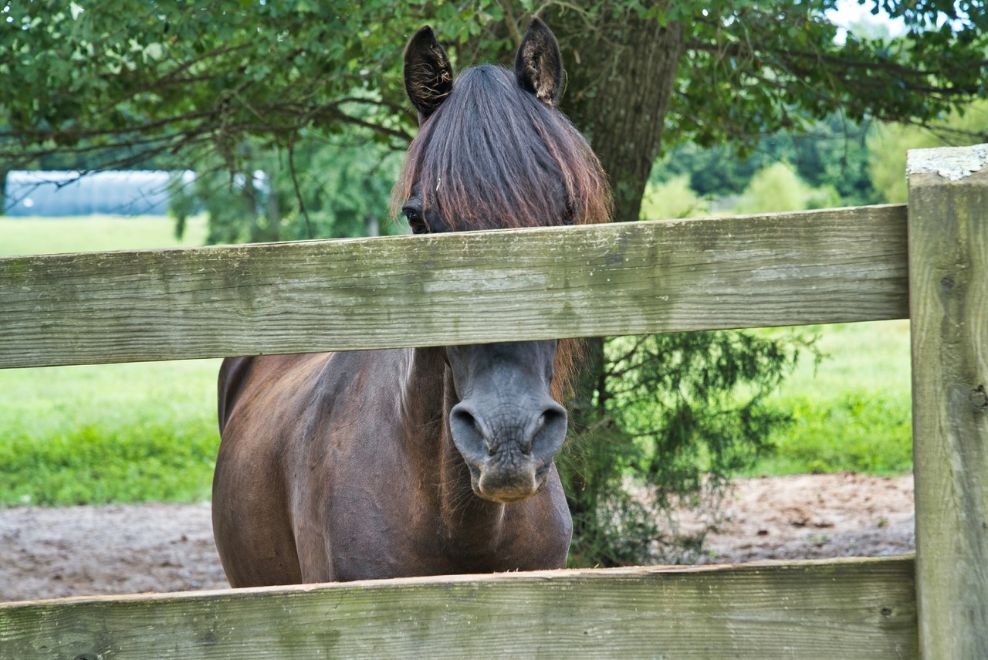
- Wood Fencing: A timeless, classic look and materials are generally easy to source. It is still an investment, though still less than pipe. The tradeoff is maintenance. Boards can break, horses can kick them loose, and some will chew on them. Wood also does not last forever without upkeep.
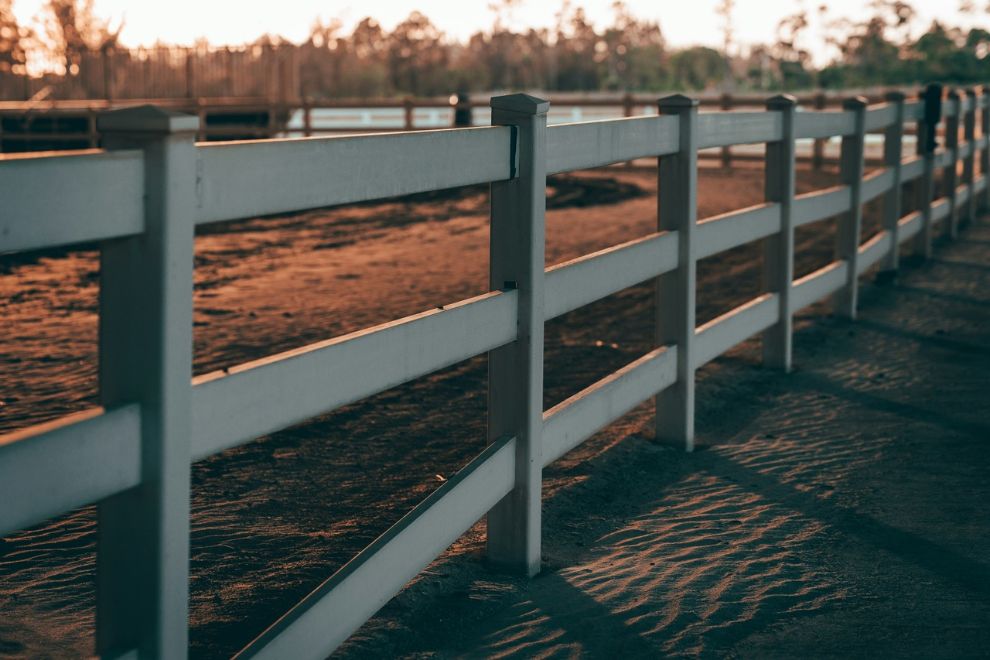
- Vinyl Fencing: Clean appearance with less maintenance than wood. It holds its look well for years, but over time it can become brittle, especially in harsh sun. It is also one of the more expensive options on the front end.
- Barbed Wire: The most budget friendly and quickest to install, which can make it tempting. However, it is not ideal for horses due to the injury risk. If used at all, it should be limited to large perimeter pastures and only with horses that are accustomed to it.
- No Climb Fencing: A versatile and attractive option that works well when you also need to contain smaller livestock. It does come at a higher cost and should have a sturdy top rail made of wood or pipe for proper support. There is also the potential for a shoe to get caught, so thoughtful installation is important.
- Electric Braid or Tape: Relatively affordable and simple to install. It does require consistent power to remain effective and is not the most durable choice in heavy wind. It also demands regular monitoring. There always seems to be one clever horse willing to test it, so maintenance cannot be ignored.
What are the Pros and Cons of Various Horse Waterers?
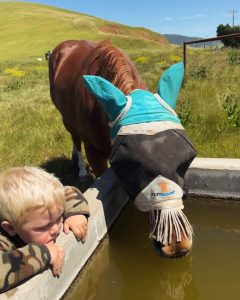
Water systems can range from simple to fully built out. Some owners are content filling large buckets each day, while others install permanent concrete troughs or automatic systems. Float operated automatic waterers are incredibly convenient. They ensure a consistent water supply with minimal waste and less daily labor. That said, they still require routine cleaning, which is easy to overlook when everything appears to be working properly.
On the other hand, filling buckets or troughs by hand can feel like a chore, and remembering to shut off the hose has humbled more than a few of us. Still, there is one clear advantage. When you fill water yourself, you naturally keep an eye on how much your horse is drinking, something most automatic systems do not track. That daily awareness can be valuable when monitoring overall health.
Hey, head’s up. Clicking the the links or product pics that follow may result in providing us a little kick-back money. To learn more see the affiliate disclaimer at the end of this story.
What about Feed Systems and Bins?
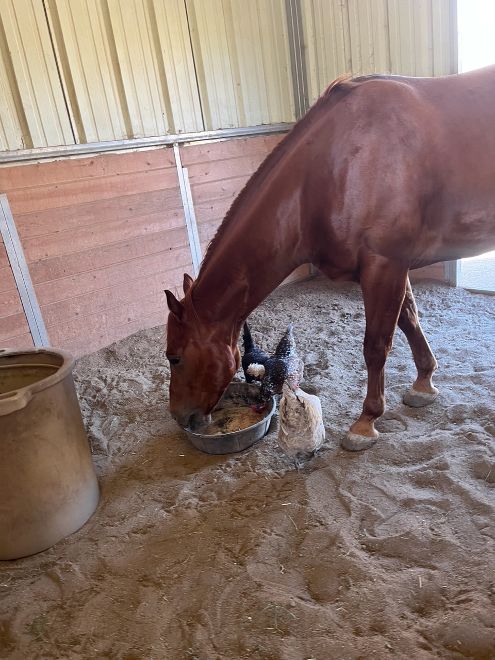
Brie is a fan of any feeding system that allows a horse to eat the way it was designed to, slowly and throughout the day. There are plenty of options, from slow feed nets to large bale feeders. Personally, she uses and loves the Porta Grazer feeders.
When her horses are not out on pasture, they eat from Porta Grazers. This feeding system allows for grazing in a natural head down position for hours instead of finishing a flake in minutes. Another big advantage of slow feeders is reduced waste. With hay prices where they are, anything that keeps more of it off the ground and in the horse is a win in Brie’s book.
What Insurance Features Should a Horse Property Owner Have?
If the property is strictly for your own use, it is important to notify your homeowners insurance provider that horses will be kept on site. Your insurance experts can walk you through what type and amount coverage fits your situation and make sure there are no gaps.
If you plan to have others on the property interacting with the horses, that changes the conversation entirely. Lessons, boarding, training, or even frequent guests can increase your exposure. In those cases, it is wise to explore additional protection such as liability or umbrella policies to make sure you are properly covered.
What are Some Special or Especially Useful Features a Horse Property Could Have?
Brie is a big fan of a circular or pull through driveway designed with trailers in mind. She says, “Yes, I can back up my horse trailer when I need to, but if I can simply drive in and out without the extra maneuvering, I will take that every time!”
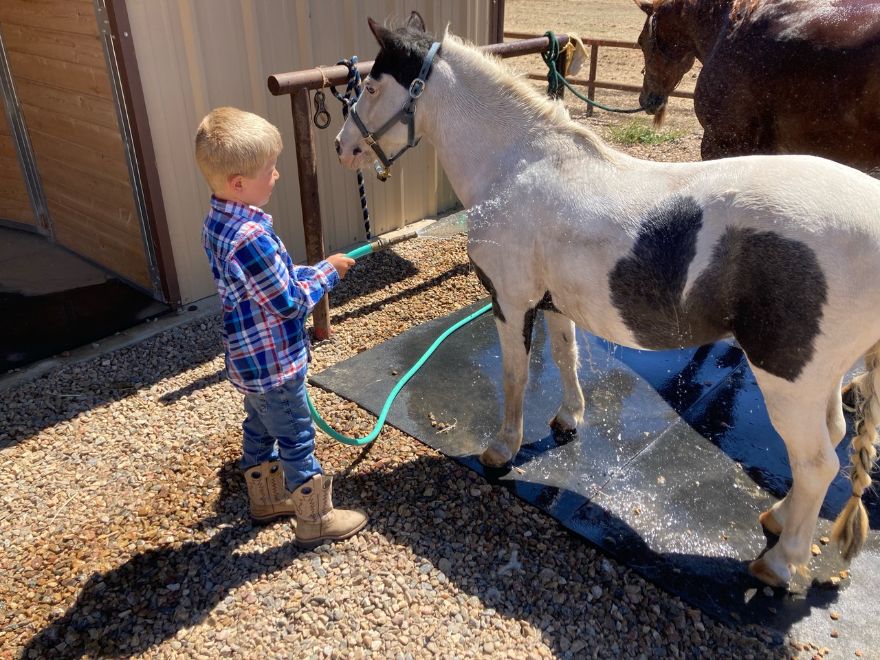
A designated wash area is worth its weight in gold. Horses, dogs, trucks, you name it, it all ends up there. Having a space built to handle water without turning into a mud pit makes daily life so much easier. Extra credit if it is set up with a drain.
Lighting and electricity in and around horse areas is a game changer. Winter evenings come fast. Being able to groom, feed, or simply check on everyone after dark without juggling a flashlight makes the -barn far more functional year-round.
Speaking of drainage, how can a horse property owner improve drainage in the horse area?
Smart drainage should be addressed long before the first horse steps on the property. Professional grading that directs water away from barns, shelters, and high traffic areas is foundational. Once water is moving the right direction, materials like decomposed granite, rock, or sand can be added to well-traveled paths and around gate openings to prevent deep mud from forming.
Barns and shelters should also have properly installed gutters and downspouts so runoff is carried away instead of pooling along the foundation and turning everything into a soggy mess. If standing water and mud continue to be an issue, it is worth bringing in a local professional to evaluate the layout. A thoughtful assessment can uncover practical solutions that protect both your horses and your investment.
Looking to Sell or Buy a Horse Property?
What horse property features are new buyers most interested in?
Brie shares her experience working in the horse property market, today. She explains, “The “right” features truly depend on the owner and the stage of life their horses are in. Some of my clients have retired horses and are looking for usable, fairly level pasture and solid shelter to keep them comfortable year-round. Their priority is proximity. They want their horses close to their house so they can keep a watchful eye on them and manage any special needs with ease.
Other clients are actively riding and/or competing. For them, an arena or at least the space to install one is high on the list. Some are less concerned with arenas and more focused on trail access. They want to saddle up and head straight out, which is why SLO County properties that back to the riverbed or an established trail system are so appealing.
Brie Nicholson is here to assist you in living the dream of horse property ownership. She can also help you get your horse property ready for sale, and sold.
Just so you know, clicking the above picture and product links takes you to the product on the Amazon website. This makes shopping easy and convenient for you. We do get a little kick-back from items purchased, giving us resources to bring you more stories, but your price stays the same. It’s a win-win! Happy Trails!
Photo credit: Brie Nicholson or unsplash
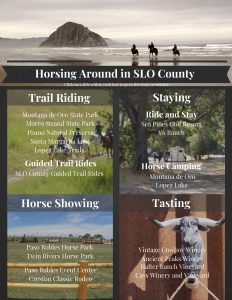
Come horse around with us in San Luis Obispo County! There are so many ways to horse around in stunning SLO County. To keep this info at your fingertips we have developed a FREE Hot Sheet that will direct you to stories which tell you where you can trail ride, stay with your horse, show and taste. We’ll continue to add horsing around stories to our website. You can stay up-to-date by becoming a SLO Horse News herd member. Get your Horsing Around in SLO County Hot Sheet here >.